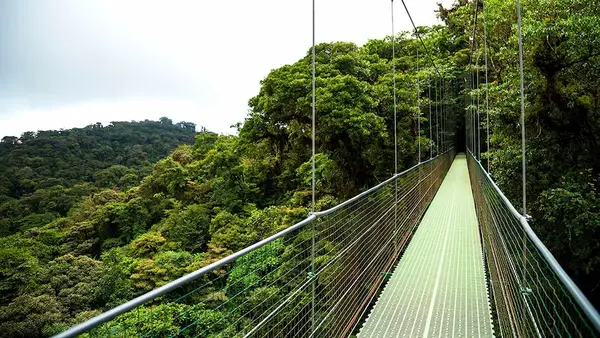

Costa Rica is a natural sanctuary, a paradise that captivates all who have the privilege of visiting. From its pristine Pacific beaches to the lush rainforests of the Caribbean, its biodiversity is unmatched. For those who choose to call this country home, living in harmony with nature is not just a phrase; it's a fundamental pillar of the "Pura Vida" philosophy.
Building a home here is a unique process that intertwines modern architecture with a deep respect for the environment. The country's strict environmental regulations, managed by entities like the Ministry of Environment and Energy (MINAE), ensure that development proceeds in a way that minimizes impact on the ecosystem. This article will explore the key considerations for building and living sustainably in Costa Rica, highlighting how to create a harmonious blend between human comfort and natural preservation.
Sustainable Construction: A Non-Negotiable Principle
When you decide to build a home in Costa Rica, especially in areas near protected zones or coasts, you enter a world of sustainable practices. Local architects and engineers often specialize in **eco-friendly designs** that maximize natural light and ventilation, reducing the need for air conditioning. This not only lowers electricity costs but also contributes to a smaller carbon footprint. The use of local and recycled materials, rainwater harvesting systems, and solar panels are common features in many modern Costa Rican homes.
Navigating the permit process can be challenging, but it ensures that your project aligns with national conservation goals. It is essential to work with local professionals who understand the specific regulations, which may include restrictions on construction near rivers or in biological corridors. This collaborative approach ensures your new home will be a part of the landscape, not an intrusion upon it.
Living "Pura Vida": More Than Just a Slogan
Eco-building tips, sustainable living, and nature-friendly guides for Costa Rica. Monthly, free.
- Waste Management: Many communities have robust recycling programs, and composting is a common practice to nourish the tropical gardens.
- Food and Consumption: The abundance of local farmers' markets (**ferias**) encourages residents to buy fresh, seasonal, and locally grown produce, reducing transportation emissions and supporting small-scale agriculture.
- Wildlife Interaction: Costa Ricans live alongside a rich variety of wildlife. It is not unusual to see monkeys, sloths, or toucans from your window. This proximity creates a sense of responsibility to protect these creatures and their habitats.
Eco-building tips, sustainable living, and nature-friendly guides for Costa Rica. Monthly, free.
Pura Vida Insider Newsletter � Sustainable Living
Monthly residency news, CCSS updates, cost of living data and expat tips. Free, no spam.
We respect your privacy. Unsubscribe anytime.
The Reward: A Life Connected to Nature
Ultimately, living in Costa Rica is about more than just a beautiful setting. It's an opportunity to embrace a lifestyle that prioritizes balance, sustainability, and gratitude. The challenges of adapting to local bureaucracy or a new way of life are often overshadowed by the immense reward of waking up to the sounds of the jungle, a fresh ocean breeze, and the knowledge that you are part of a community dedicated to preserving this incredible place for future generations. For many expats, this is the true essence of living a purer life.
Pura Vida!
Patricia Villa-Roel G.
Infographics Specialist
www.patriciavillaroel.com
Related Articles