Culture in Costa Rica
Your complete guide to Pura Vida, national symbols, traditions, arts and festivals as an expat living in Costa Rica.
On This Page
Understanding Costa Rican Culture
Costa Rica is a country of remarkable cultural richness. Its people, known as Ticos, carry a deeply ingrained sense of peace, hospitality, and environmental pride that shapes every aspect of daily life. For expats, understanding this culture is not just enriching — it is the key to true integration.
Pura Vida — More Than a Phrase
Pura Vida (literally «pure life») is the defining expression of Costa Rican identity. Used as a greeting, a farewell, an affirmation, and a philosophy, it captures the local approach to life: relaxed, grateful, and optimistic. Expect to hear it dozens of times a day.
Key Cultural Values
- Family-centered society: Family is the cornerstone of social life. Sunday gatherings, shared meals, and multigenerational bonds are deeply important.
- Respect and courtesy: Ticos place high value on being polite, indirect in conflict, and warm in daily interactions. Addressing people as don or doña is a sign of respect.
- Environmental pride: Costa Rica abolished its army in 1948 and has since channeled resources into education and nature conservation. This creates a strong national identity around ecology.
- Religion: The country is predominantly Catholic, with Catholic traditions woven into national holidays, customs, and community life. Protestant and evangelical communities are also significant.
- Football (soccer): La Sele (the national football team) unifies the country like nothing else. Match days are a cultural event in themselves.
Learning a few words in Spanish and showing genuine interest in local customs goes a very long way. Ticos are among the most welcoming people in Latin America to foreigners who make an effort.
Our Cultural Partners
We support national talent for expats and locals in Costa Rica
CULTURAL PARTNER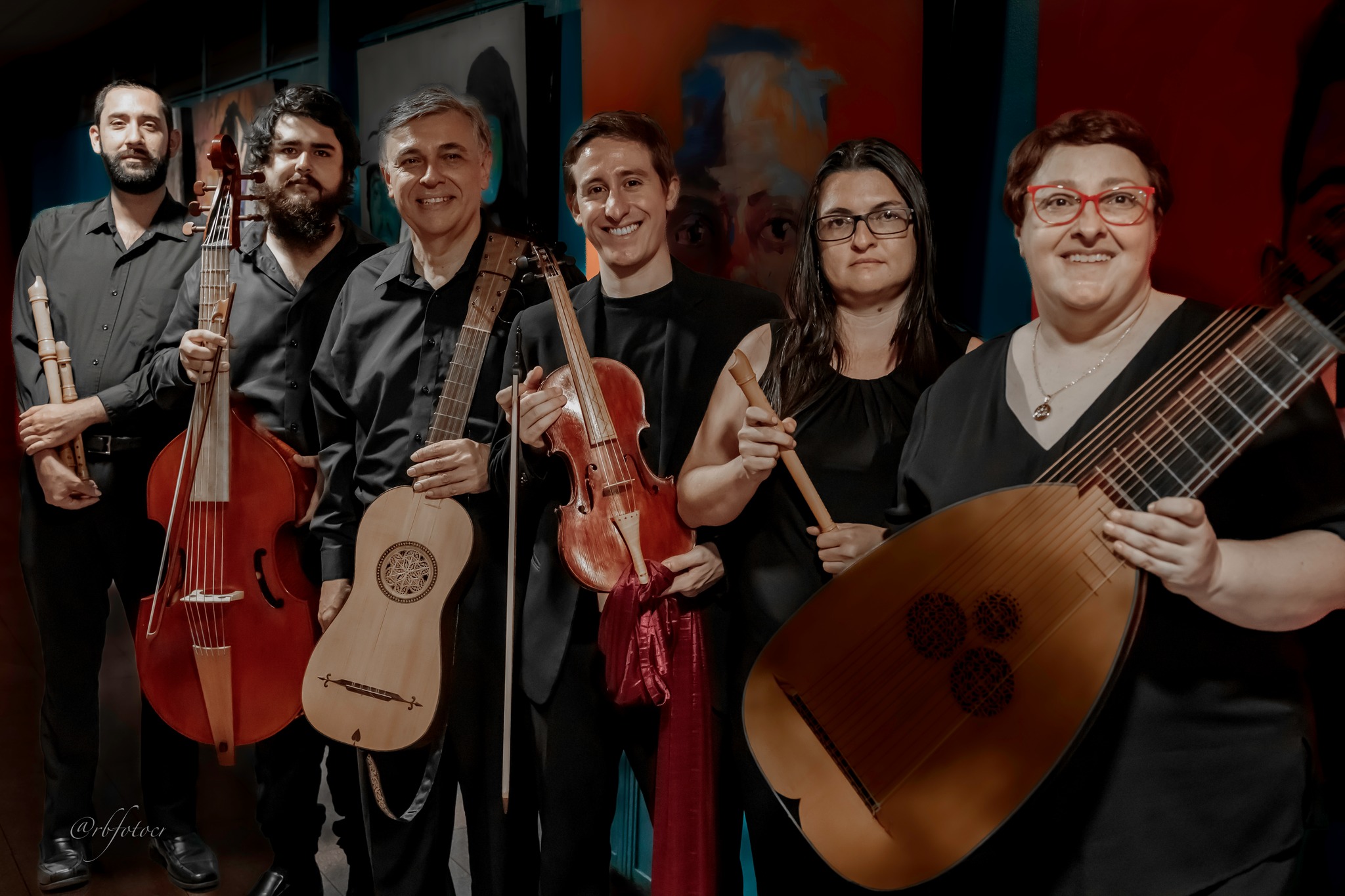
Zéfiro
Wind Ensemble · 8 Musicians
Eight talented musicians performing on recorders, Baroque violin, viola da gamba, lute, and Latin American instruments.


National Symbols of Costa Rica
Costa Rica's national symbols reflect its history, biodiversity, and values. Understanding them helps expats connect more deeply with their adopted country and the pride Ticos feel in their homeland.
The Flag
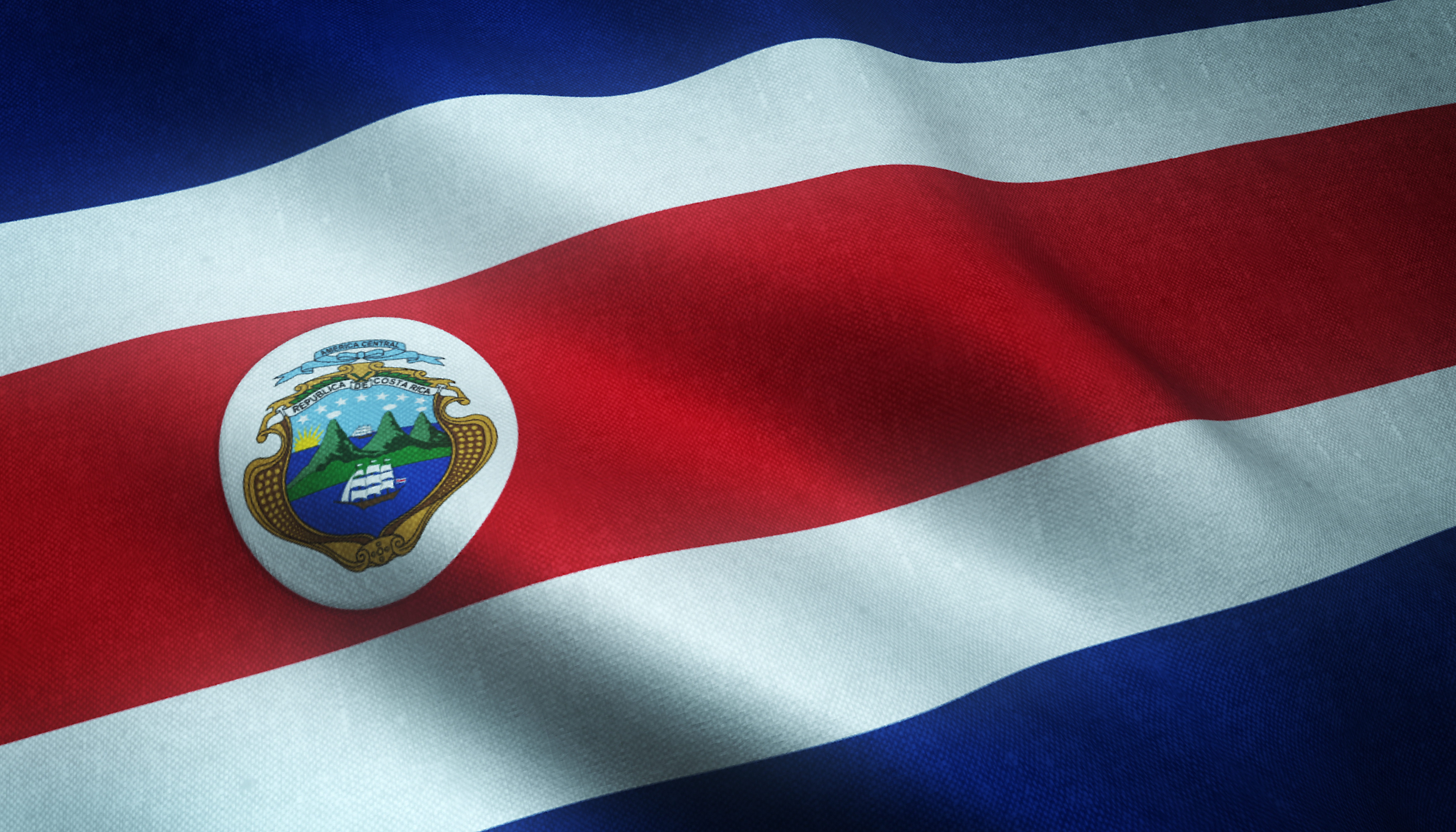
Five horizontal stripes: blue (sky, ideals, eternity), white (peace, wisdom, happiness), red (patriotic spirit, courage, love for life), white, blue. The central red stripe is twice as wide as the others. The coat of arms appears on the official state flag.
The Coat of Arms
- Three volcanoes representing the main mountain ranges.
- Two oceans (Atlantic and Pacific) with a merchant ship in each.
- Seven stars for the seven provinces: San José, Alajuela, Cartago, Heredia, Guanacaste, Puntarenas, Limón.
- Gold coffee frames symbolizing agricultural heritage and economic development.
Natural and Cultural Symbols
- National Tree: Guanacaste (Enterolobium cyclocarpum) — a majestic, wide-canopied tree symbolizing strength and generosity.
- National Bird: Clay-colored Thrush (Yigüirro, Turdus grayi) — its song heralds the rainy season and symbolizes the connection to nature's cycles.
- National Flower: Purple Orchid (Guarianthe skinneri) — blooms in the dry season, representing beauty and elegance.
- National Animal: The White-throated Capuchin monkey and the sloths (declared national symbols in 2021), representing biodiversity and conservation.
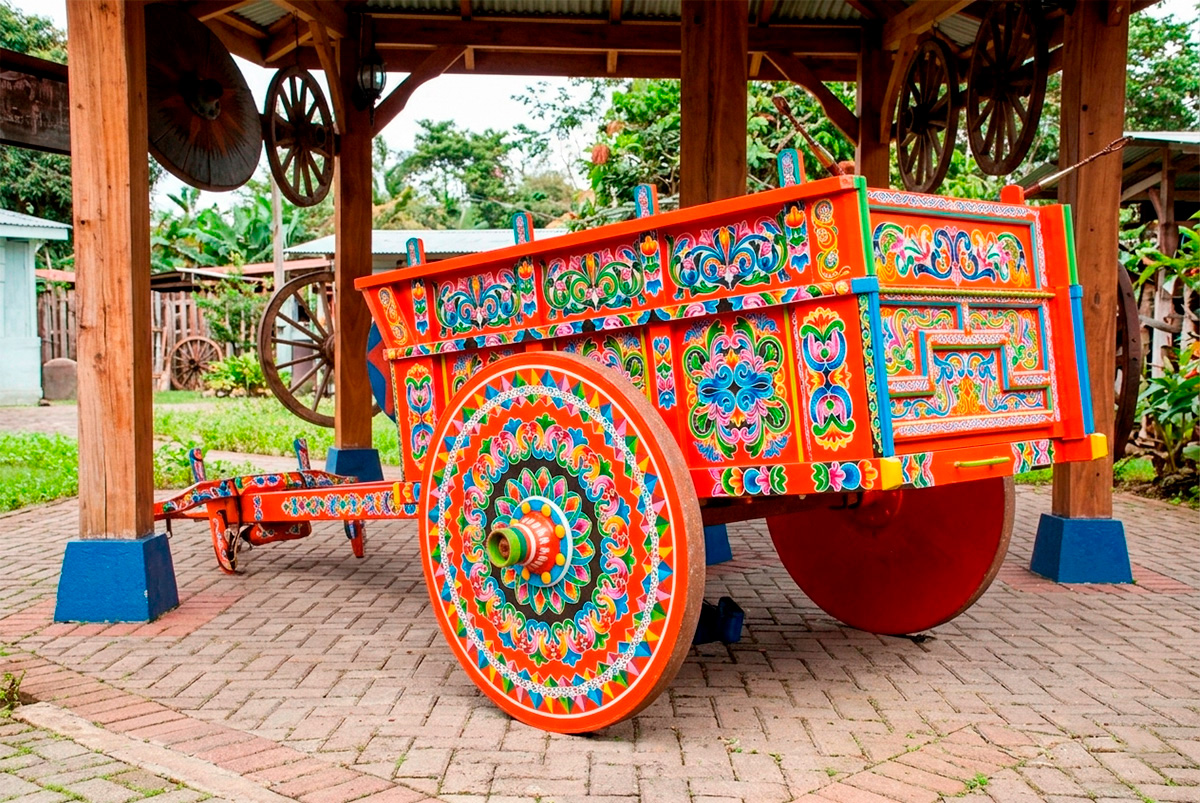
- Ox Cart (Carreta Típica): UNESCO Intangible Heritage. The hand-painted wooden ox cart symbolizes hard work, rural traditions, and Costa Rican craftsmanship.
- Coffee: Symbol of hard work, quality, and national identity — Costa Rican coffee is internationally acclaimed.
Traditions & Celebrations
Costa Rica's calendar is filled with celebrations that blend religious devotion, civic pride, and community spirit. As an expat, participating in these events is one of the most direct paths to cultural connection.
Christmas (December)
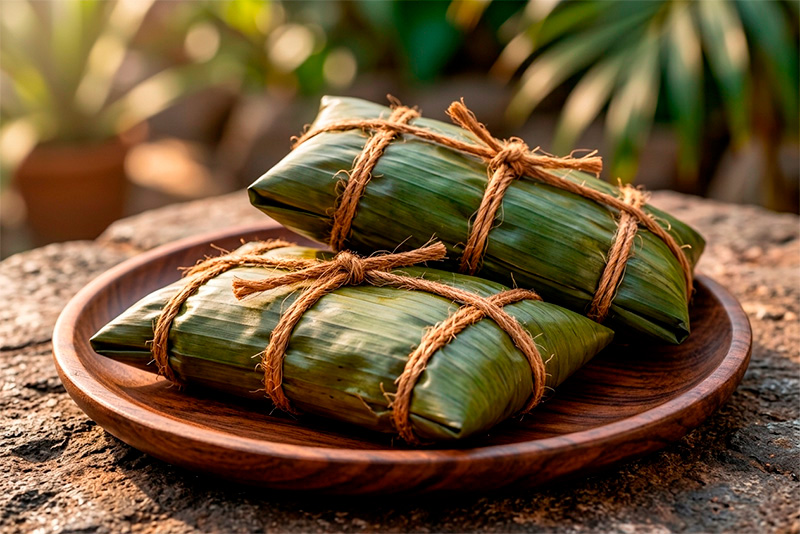
- Tamales: The most iconic Christmas tradition — families gather to prepare and share tamales, often across multiple generations.
- Nativity scenes (Portales): Artistic and elaborate nativity displays in homes, churches, and public spaces.
- Aguinaldo: Christmas carols sung door-to-door by groups — a beloved local tradition.
- Festival of Lights (December): A spectacular parade of illuminated floats through San José marking the Christmas season.
Holy Week (Semana Santa — March/April)
- Solemn processions in towns across the country, especially in Cartago. Holy Thursday and Good Friday are public holidays.
- Chiverre sweets: Traditional preserves made from the chiverre fruit — only prepared during Holy Week.
- Beach travel: Semana Santa is the busiest travel week of the year — book accommodation months in advance.
Independence Day (September 15)
- Torch relay: The Independence Torch travels by foot from Guatemala through all Central American countries, arriving in Costa Rica on September 14th.
- Lantern night (September 14): Children parade through streets carrying paper lanterns they have made — a charming tradition.
- School parades: On September 15, streets fill with school bands, national flags, and patriotic music.
Other Key Dates
- Juan Santamaría Day (April 11): National hero day — parades and civic acts in Alajuela, his hometown.
- Tope Nacional (December 26): The national horse parade in San José — an impressive showcase of Costa Rican equestrian culture.
- Pilgrimage to Cartago (August 2): Thousands walk to the Basilica of Our Lady of the Angels in Cartago to honor «La Negrita,» Costa Rica's patron saint.
- Patron Saint Festivals (year-round): Every town holds annual festivals for its patron saint, combining solemn masses with concerts, traditional food, Tico-style bullfights, and community activities.
- Turnos (community fundraisers): Grassroots events organized to raise funds for churches, schools or families — featuring food, games, live music, and raffle draws.
Regional Culture & Traditions
Costa Rica's cultural identity is not uniform — each region has developed its own unique traditions shaped by geography, history, and community heritage. Understanding regional diversity helps expats appreciate the country's rich mosaic.
Central Valley
- Coffee culture: Coffee has shaped the identity of the Central Valley — from harvest traditions to artisan roasters and café culture in San José.
- Colonial architecture: Cities like Cartago and Barva de Heredia preserve Spanish colonial architecture — ancient churches, adobe facades, and tiled roofs.
- Ox cart craftsmanship: Sarchí (Alajuela) is the heart of the painted ox cart tradition — artisan workshops and galleries display this UNESCO-recognized art form.
Guanacaste
- Sabanero (cowboy) culture: Ranching life has produced a distinctive cowboy identity — wide-brimmed hats, expert horsemanship, and the energetic punto guanacasteco folk dance.
- Typical cuisine: Corn-based dishes like thick cheese tortillas, mondongo soup, tanelas, and fresh fruit drinks are Guanacaste staples.
- Annexation Day (July 25): Guanacaste's most important civic celebration marking its 1824 annexation to Costa Rica.
Caribbean (Limón)
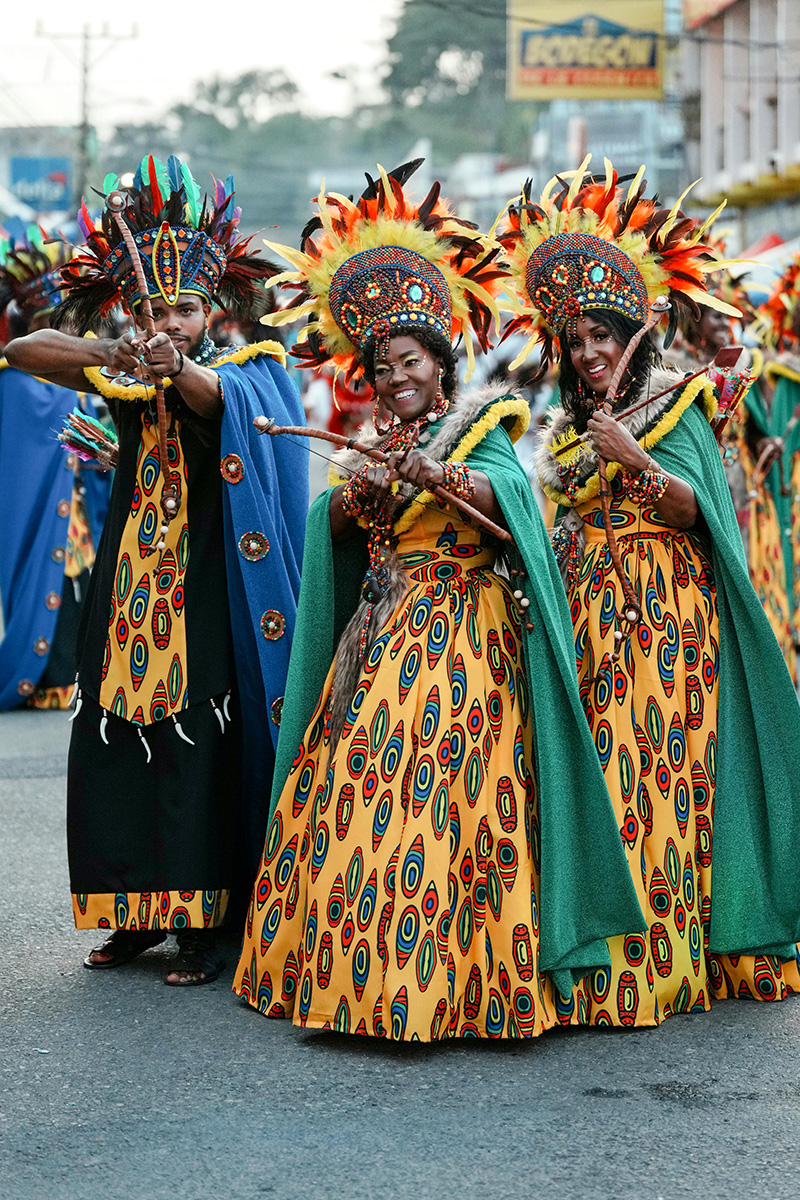
- Afro-Caribbean heritage: Descendants of Jamaican workers who built the railroad in the late 19th century brought reggae, calypso, soca, and Creole English — all still vibrant today.
- Gastronomy: Coconut milk is the defining ingredient — «rice and beans» (cooked in coconut milk), rondón stew, patí pastries, and plantintá are iconic Limonese dishes.
- Limón Carnival (October): The most vibrant carnival in Costa Rica — colorful floats, calypso and reggae music, street dancing, and Caribbean food. See the Festivals section for details.
Pacific Coast & Northern Zone
- Pacific coast: Communities rooted in artisanal fishing, ecotourism, and surf culture. Crafts made from natural coastal materials (shells, seeds, wood) reflect local identity.
- Northern Zone: Ranching, pineapple agriculture, and adventure tourism define this region. Indigenous Maleku communities preserve ancestral languages, ceremonies, and craft traditions.
Arts, Music & Theater
Costa Rica's performing arts scene is surprisingly active and diverse for a country of its size. From the grandeur of the National Theater to independent stages, folk music roots, and Caribbean rhythms — there is something for every cultural appetite.
Music by Region
- Guanacaste: Traditional folk music (punto guanacasteco, tambito) with the marimba as the iconic instrument. Stories of rural life and cattle ranching in song.
- Caribbean (Limón): Calypso, reggae, soca and dancehall. Limonese calypso, with its distinctive Creole English lyrics, is a cultural treasure.
- Central Valley / San José: The urban hub hosts symphony orchestras, chamber music, jazz, rock, pop, and Latin genres. The contemporary music scene is highly active.
Theater
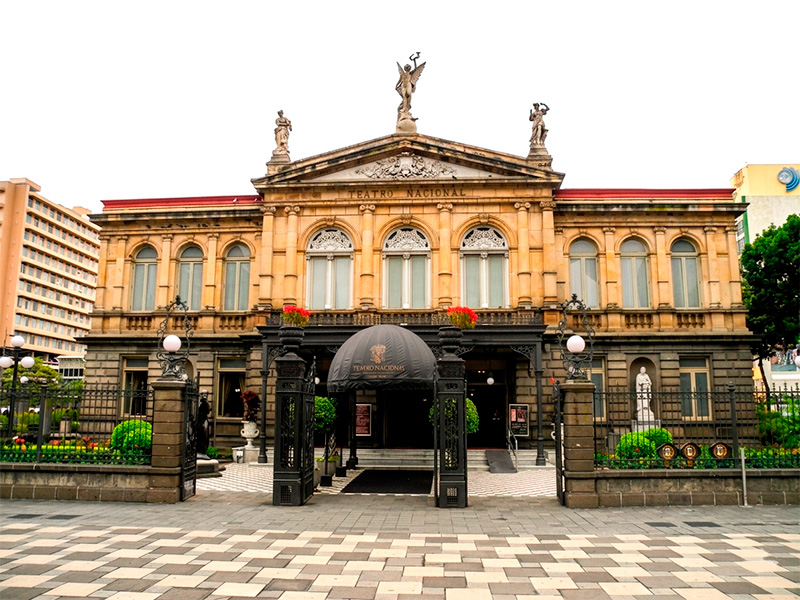
- Teatro Nacional (San José): The country's most prestigious venue. Built in the 19th century, it hosts opera, ballet, classical concerts, and national theater. Open to visitors. teatronacional.go.cr
- Teatro Melico Salazar (San José): A key venue with diverse programming — theater, dance, popular music, and cultural events for all ages.
- Independent theater groups: Numerous companies in San José and other cities explore contemporary and experimental dramaturgy, often addressing social and political themes.
Dance
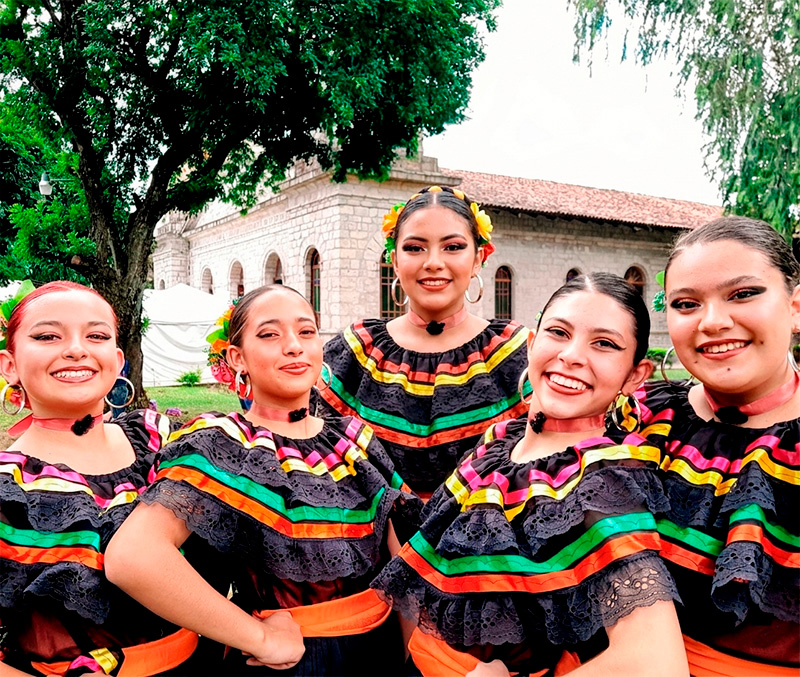
- Folk dance: The punto guanacasteco is the national folk dance — elegant footwork and bright costumes. Caribbean calypso translates into lively hip movements and rhythmic energy.
- Classical ballet & contemporary dance: Schools and companies in San José offer regular performances and workshops.
- Popular Latin dances: Salsa, merengue, and cumbia are widely danced at academies, clubs, and social gatherings.
Check the Ministry of Culture's official agenda for concerts, theater, dance, and festivals across the country: mcj.go.cr/agenda
Museums & Cultural Spaces
Despite its relatively small size, Costa Rica has a surprising diversity of museums that reflect its rich history, vibrant culture, and impressive natural heritage. They offer expats an excellent way to understand the country they now call home. For a complete directory, visit visitcostarica.com.
Key Museums in San José
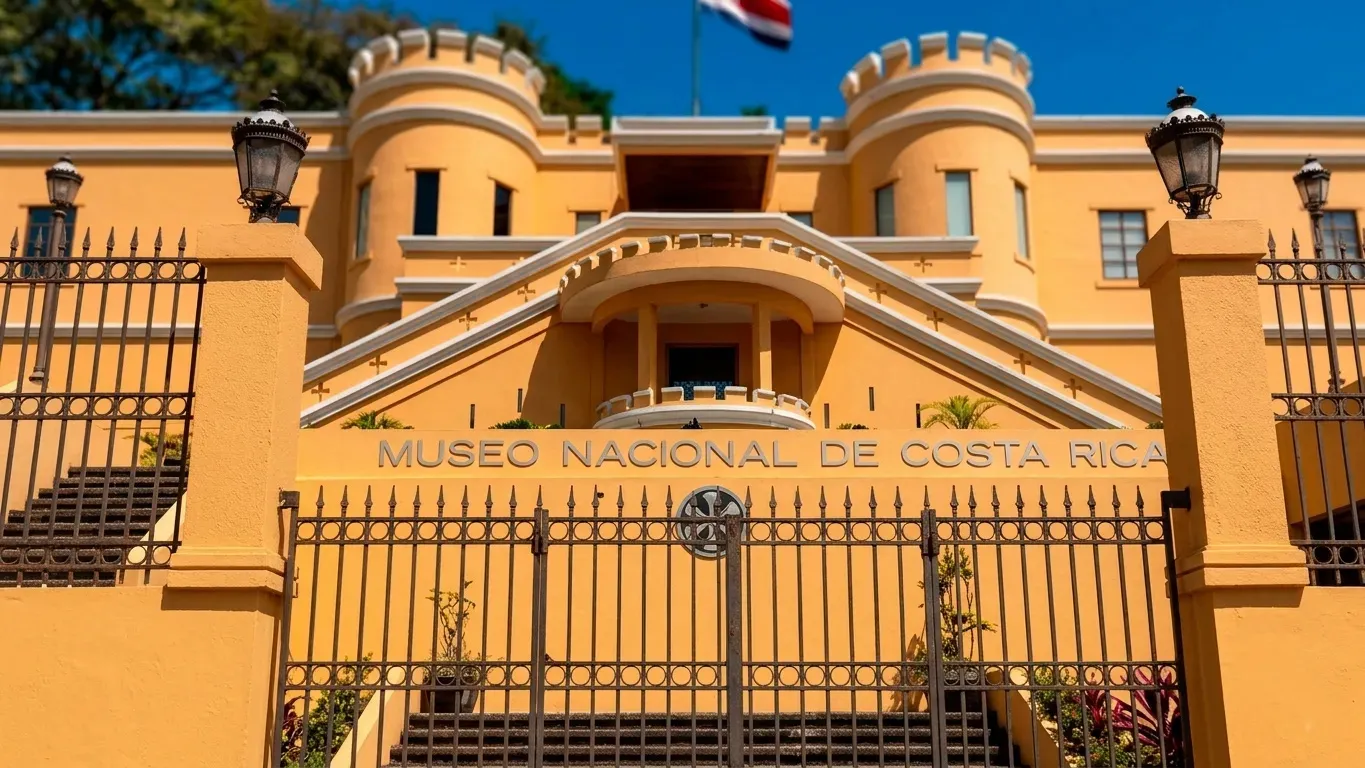
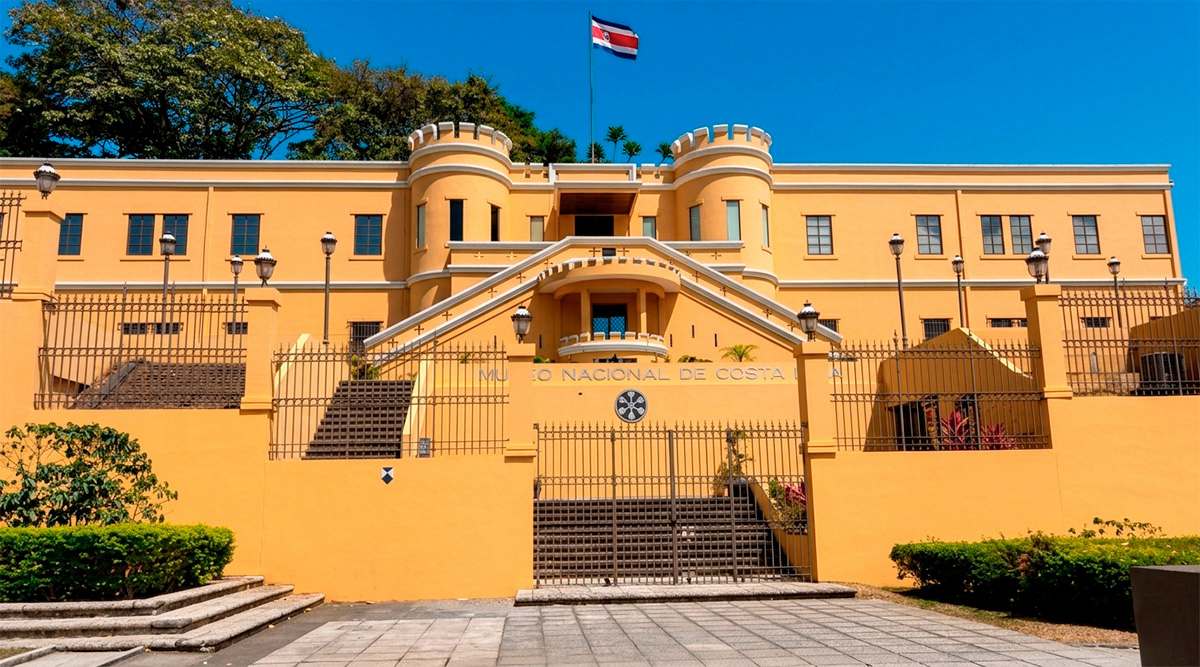
- Museo Nacional de Costa Rica: Housed in the historic Bellavista Fortress (former military barracks). Pre-Columbian artifacts, colonial history, and natural heritage from ancient times to the present.
- Museo del Jade: The world's largest collection of American jade. Spectacular pre-Columbian jade, gold, and ceramic pieces in a world-class modern building.
- Museo de Arte Costarricense (MAC): Located in Parque La Sabana, with permanent and temporary collections of Costa Rican art from the 19th century to the present.
- Museo de Arte y Diseño Contemporáneo (MADC): Contemporary art and design by Costa Rican and international artists in a repurposed historic building.
- Museo de los Niños: Interactive museum for families, with science, history, and culture exhibits designed for children inside a restored 19th-century prison.
Types of Museums Across the Country
- History & Archaeology: Pre-Columbian indigenous cultures, colonial history, and national development.
- Natural Science: Flora, fauna, geology, and paleontology — windows into Costa Rica's incredible biodiversity.
- Thematic: Coffee history, numismatics, popular culture, technology, and more.
- Community ecomuseums: In rural regions, these spaces preserve and celebrate local cultural and natural heritage.
Festivals in Costa Rica
Throughout the year, Costa Rica comes alive with music, dance, tradition, and celebration. From massive concerts to intimate community events, the festive calendar reflects the country's cultural richness and community spirit.
Festival Calendar — Key Events
- Fiestas de Palmares (January): Among the largest and most popular celebrations in the country. Held in Palmares (Alajuela) — massive concerts with national and international artists, Tico-style bullfights, horse parade, carnival rides, and food stalls.
- Oxcart Driver Day (Second Sunday in March): In San Antonio de Escazú — ox cart drivers parade their beautifully decorated carts in a showcase of rural Costa Rican heritage.
- Festival Internacional de las Artes (FIA — March): Costa Rica's premier cultural festival, held annually at Parque La Sabana in San José. Theater, dance, music, visual arts, film, and street performances by national and international artists. Free admission. Organized by the Ministry of Culture and Youth.
- Festival Iberoamericano Teatral (April): International theater companies perform at the Teatro Nacional, Teatro La Aduana, and other venues across San José.
- Limón Carnival (October): A vibrant celebration of Afro-Caribbean culture — colorful parades, calypso and reggae, street dancing, and Caribbean cuisine. The biggest Caribbean celebration in Central America.
- Zapote Festivities (Dec 25 – Jan 2): San José's year-end festivities featuring Tico-style bullfights, carnival, concerts, and street food. A beloved tradition marking the transition between years.
- Tope Nacional (December 26): The national horse parade through San José's main avenues — horses with elaborate decorations, riders in traditional attire, and a festive crowd.
Festivals attract large crowds — arrange transportation and accommodation well in advance, especially for Semana Santa and Palmares. Be respectful of religious and cultural significance in ceremonial events. Ask locals — Ticos are always happy to share their traditions.
Embassies as Cultural Exchange Hubs
Beyond their diplomatic functions, embassies in San José serve as true cultural centers — particularly valuable for expats who want to stay connected to their home country's culture, or explore the cultures of other nations.
What Embassies Offer
- Film screenings: Movie cycles in the original language with subtitles — often free or very low cost.
- Concerts and music events: Folk, classical, jazz, and contemporary artists from the represented country.
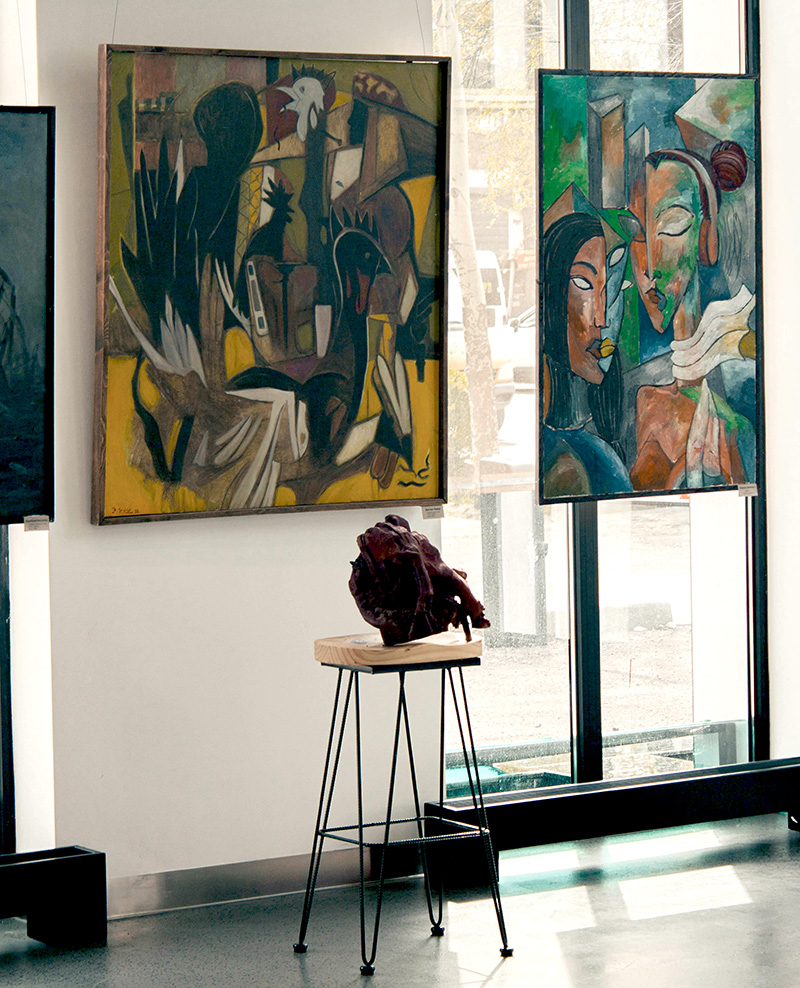
- Art exhibitions: Painting, sculpture, photography, and visual arts by national artists.
- Language classes & workshops: Some embassies offer language courses, cooking workshops, folk dance classes, or cultural introductions.
- Libraries & resource centers: Books, films, and materials about the history, literature, art, and culture of the represented country.
- Lectures and talks: Writers, academics, historians, and cultural figures sharing their insights.
- National holiday events: Special celebrations of their country's national days — a taste of traditions, food, and festive spirit from around the world.
How to Find Embassy Cultural Events
- Check embassy websites and social media profiles for upcoming events.
- Subscribe to embassy newsletters for cultural program updates.
- Visit the embassy in person — many cultural sections welcome inquiries.
For San José's cultural events and activities, check these resources: GAM Cultural · MCJ Agenda · Chepetown
Updates & Tips — 2025/2026
Click the + sign to expand each update.
Costa Rica Celebrates 205 Years of Independence, September 2026
Costa Rica marked 205 years of independence on September 15. The Independence Torch arrived at the Ruins of Cartago on September 14 after a 378-kilometer relay carried by about 22,000 students, and on September 15 around 2,000 students paraded along Avenida Segunda in San José. The night before, communities held the traditional lantern parade, the desfile de faroles.
A celebration to plan around
- September 15 is a national holiday: banks, offices, and many businesses close, and streets around parades are blocked.
- The lantern parade on September 14 is a family tradition worth seeing; many communities also organize civic acts.
Sources: Ministerio de Educación Pública (September 15, 2026); The Tico Times (September 14, 2026)
Fiestas Patrias 2026: Costa Rica Prepares for 205 Years of Independence, August 2026
Costa Rica is preparing to celebrate the 205th anniversary of its independence on September 15. The Independence Torch will travel about 378 kilometers from Peñas Blancas to Cartago on September 13 and 14, carried by around 22,000 students along eight main routes. It arrives at the Ruins of Cartago at 8:00 pm on September 14. About 3,000 police officers and more than 100 Red Cross workers will support the events.
Two dates to plan around
- The traditional lantern parade (Desfile de Faroles) takes place the evening of September 14. Firefighters recommend LED lights instead of candles to avoid burns and fires.
- September 15 is a national holiday with parades in most towns. Expect road closures and reduced hours at banks and offices.
Sources: Ministerio de Educación Pública (August 27, 2026); Infobae (August 28, 2026)
Popular Culture Fair in Cartago, September 12-15, August 2026
The Guillermo Martínez Solano Popular Culture Fair runs from September 12 to 15 at Casa de la Ciudad in Cartago. It brings together more than 30 local businesses with crafts and traditional food, folk dance performances, free swing and clay modeling workshops, and a traditional turno. Entry is free.
Sources: Delfino.cr (August 28, 2026)
Romería Pilgrimage, Virgen de los Ángeles, and Mother's Day, August 2026
August is one of Costa Rica's most culturally significant months, marked by two major observances. The annual Romería pilgrimage to the Basilica de Nuestra Señora de los Ángeles in Cartago peaks during the first days of August, around the feast day of the Virgen de los Ángeles (August 2). It is the largest religious pilgrimage in Central America, drawing hundreds of thousands of people who walk to Cartago, and it causes heavy traffic and road closures across the Central Valley.
Two holidays to keep on your calendar
- Día de la Virgen de los Ángeles (August 2) is a national holiday in Costa Rica, with banks and government offices closed.
- Mother's Day falls on August 15 and is a full national holiday. Businesses and schools close, and many families gather for the day.
Why the Romería matters for residents
Beyond its religious meaning, the Romería is a defining Costa Rican tradition that shows the country's deep-rooted faith and community spirit. For expats, it is a striking cultural event to witness, but also a practical consideration: the days around early August bring road closures and heavy traffic to Cartago and the Central Valley, so plan travel accordingly.
Sources: The Tico Times (August 2026), Costa Rica national holiday calendar
Anexión Festival 2026: 202 Years of Guanacaste Culture Celebrated, July 17-26
Nicoya celebrated 10 days of free cultural activities marking the 202nd anniversary of the Annexation of the Partido de Nicoya to Costa Rica (1824). The festival featured delegations from Mexico, Chile, Panama, and Nicaragua. Highlights included the Tope de la Anexión, concerts by Malpaís, Marfil, and Los Ajenos, marimba ensembles, bull riding, an entrepreneurs' fair, and regional gastronomy. July 25 is a mandatory paid national holiday.
Historical significance for expats:
- In 1824, 77% of the Partido de Nicoya voted to annex to Costa Rica rather than Nicaragua, enriching the country with Guanacastecan traditions: marimba, Punto Guanacasteco, bombas (improvised folk verses), and corn-based cuisine.
- The Santiago Apóstol festivities in Santa Cruz (July 23-26) complemented the celebration with nighttime riding events, a free Mickey Taveras concert, and the Mercadito Criollo.
- Understanding this holiday is essential for cultural integration. It is one of Costa Rica's most important patriotic celebrations, alongside Independence Day (September 15).
Sources: La Nación (July 2026), NCR Noticias, Periódico Mensaje, The Tico Times (July 24, 2026)
Culture Roundup, July 2026: Museums, Upcoming Holidays & Symphony Season
National Museum holiday workshops for kids (July 7–17)
During the mid-year school break, the Museo Nacional is offering free and family-friendly workshops for children. Subjects include entrepreneurship, creative writing, graphic exploration, and arts & crafts. Great for expat families with children on vacation.
Guanacaste Annexation Day — July 25 (national holiday)
July 25 marks the annexation of Guanacaste to Costa Rica, a national holiday with parades, folkloric dancing, marimba music, and regional food festivals. Expect business and government office closures. In Guanacaste, this is one of the most authentic cultural experiences of the year.
Upcoming: Virgen de los Ángeles pilgrimage — August 2
August 2 is the feast of Costa Rica's patron saint. Hundreds of thousands walk to the Basilica in Cartago in the largest pilgrimage in Central America. Even if not religious, this is deeply moving and culturally significant. Roads close, the city fills completely.
National Symphony Orchestra, full 2026 season with free concerts
The National Symphony Orchestra's 2026 season: 12-concert series at the Teatro Nacional (Feb–Nov), plus 83 concerts nationwide — half of them free. Tickets from ₡2,200 (50%+ discount). IMAS beneficiaries: free access. boleteria.teatronacional.go.cr.
Limón Carnival — plan ahead for October 2026
The Limón Carnival, Costa Rica's largest Afro-Caribbean celebration, takes place during the second full week of October: decorated floats, calypso, reggae, salsa, and Caribbean cuisine. Hotels fill weeks in advance. The best chance of the year to experience Afro-Caribbean heritage.
FIA 2026 — Costa Rica's Biggest Free Arts Festival (March 20–29)
The Festival Internacional de las Artes (FIA) 2026 celebrates its 37th edition from March 20 to 29 at Parque Metropolitano La Sabana in San José. The festival features more than 70 artistic activities — music, theater, dance, film, literature, visual arts, and street performances — with over 450 national and international artists from at least 12 countries. Admission is free.
The musical lineup includes Ivy Queen (pioneer of reggaeton), Fonseca (Colombian pop icon), Mau y Ricky Montaner, and producer Ovy On The Drums — a perfect opportunity for expats to experience Costa Rican culture from the inside.
Festival Iberoamericano Teatral & Festival Volcánica de Danza (April 2026)
Two major performing arts festivals follow immediately after FIA in April 2026:
- Festival Iberoamericano Teatral Costa Rica — April 10 to 19 at the Teatro Nacional, Teatro La Aduana, Teatro 1887, and Teatro de la Villa. International theater companies from across Ibero-America.
- Festival Volcánica de Danza — April 20 to 30 at the Melico Salazar Theater and Teatro de la Danza. Contemporary and classical dance performances.
Between FIA (March 20–29) and these two April festivals, expats in Costa Rica can enjoy six consecutive weeks of high-quality cultural programming in San José — a rare opportunity in the region.
Semana Santa 2026 — Plan Travel Early (March 29 – April 5)
Holy Week 2026 runs from Palm Sunday (March 29) through Easter Sunday (April 5). This is the busiest travel period of the year in Costa Rica — beaches, mountains, and popular destinations fill up completely. Holy Thursday and Good Friday are national public holidays.
Practical recommendations:
- Book accommodation and transportation at least 4–6 weeks in advance.
- Expect high traffic on major routes (Route 27 to Jacó, Route 32 to Limón) on Wednesday evening and Saturday of Holy Week.
- Many businesses and government offices close Thursday and Friday. Stock up on essentials beforehand.
- Religious processions in Cartago, San José, Heredia, and other towns are culturally significant and worth experiencing.
Pura Vida Insider Newsletter — Culture
Local events, traditions, and cultural insights for living like a Tico in Costa Rica. Monthly, free, unsubscribe anytime.
- Attend local patron saint festivals: These small-town events are where you'll experience authentic Tico culture — tamales, music, bullfights, and community warmth.
- Join a dance class: Salsa, cumbia, or folk dance classes are highly social environments — perfect for meeting both Ticos and other expats.
- Volunteer at community events: Helping organize a turno or local festival is a direct way to be adopted by a community.
- Follow the MCJ and GAM Cultural calendars: Free or low-cost events happen every week across the country — there is no excuse for missing them.