Health in Costa Rica
Your complete guide to healthcare, wellness, and an active lifestyle in Costa Rica.
On This Page

Universal Healthcare for Expats
Costa Rica offers one of the most comprehensive public healthcare systems in Latin America. At its core is the principle that healthcare is a right, not a privilege. Once you obtain legal residency and register with the CCSS, you gain access to this system on the same terms as Costa Rican citizens.
What This Means for You
- Universal access: No discrimination by age, nationality, pre-existing conditions, or income level.
- Comprehensive coverage: From primary care and prevention to surgeries, hospitalization, and medications.
- Requires legal residency: Access activates once residency is formalized and CCSS registration is complete.
- Tourists and visa holders: Do not have automatic CCSS access, travel or private insurance is strongly recommended.
Emergency care in CCSS hospitals is guaranteed for everyone regardless of immigration status. In a life-threatening situation, go to the nearest public hospital emergency room.
The Costa Rican Social Security Fund (CCSS)
The Caja Costarricense de Seguro Social (CCSS), affectionately called "la Caja", is the autonomous institution that administers and operates Costa Rica's public healthcare system. It plays multiple roles for foreign residents.
Key Roles of the CCSS
- Healthcare provider: Primary care at EBAIS, specialist clinics, and national hospitals.
- System administrator: Plans resources, manages infrastructure, oversees quality of care.
- Social insurer: Workers, employers, and the State contribute (cotizaciones) to finance universal coverage.
- Prevention promoter: Vaccination campaigns, screening programs, and public health education.
Organizational Structure
- National level: Board of Directors and General Management.
- Regional level: Health region directorates coordinating services by geographic area.
- Local level: EBAIS (your entry point), clinics, and hospitals of varying complexity.
The CCSS and Immigration (DGME) are now digitally integrated. An expired or delinquent CCSS account can trigger a flag on your residency status. Keep your account current at all times.
How to Register with the CCSS
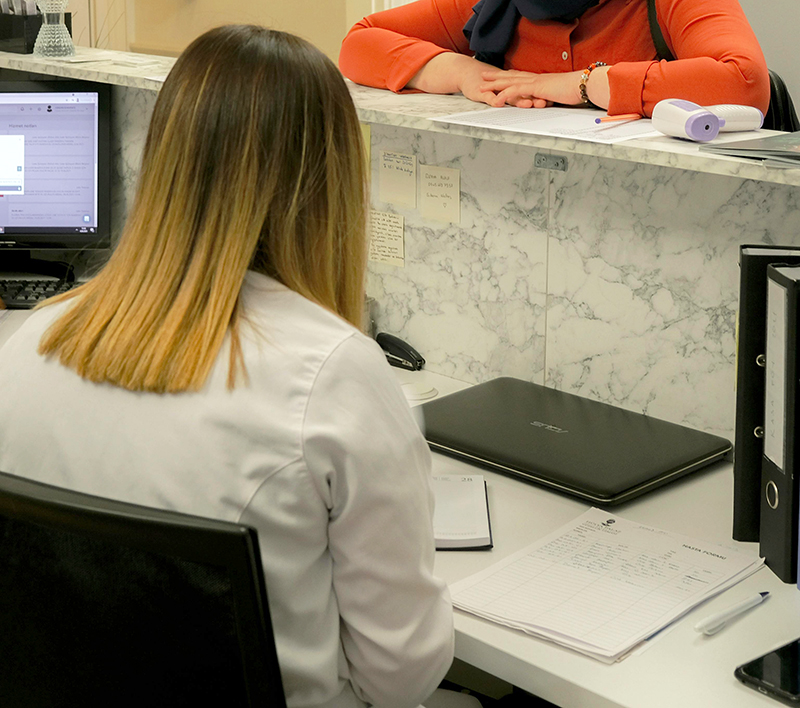
Once you obtain legal residency in Costa Rica, registering with the CCSS is your next essential step. This is what gives you formal access to the public healthcare system as an insured member.
Documents Required
- Valid DIMEX (residency card): Original and copy. The system digitally verifies it is active.
- Passport: Original and copy.
- Proof of address: Recent utility bill in your name, or a signed letter from your landlord.
- Registration form: Provided at the CCSS office; request it in advance if available online.
- Proof of income (if applicable): Salary statements, tax returns, or CPA certification depending on your category.
Registration Steps
- Locate the CCSS Área de Salud nearest to your home (see ccss.sa.cr for locations).
- Bring all required documents in original and photocopy.
- Complete the registration form; the official will verify your DIMEX digitally.
- Receive your insurance number (número de asegurado) and EBAIS assignment.
- Get details on your monthly contribution amount and payment methods.
If you don't speak Spanish fluently, bring a bilingual companion to the registration appointment. CCSS staff work hard to assist many people, be patient and courteous.

CCSS Contributions (Cotizaciones)
As an affiliated resident, you will make monthly contributions (cotizaciones) to the CCSS. These are the primary funding source for the public healthcare system and are calculated based on your employment situation and residency category.
Who Pays What
- Salaried employees: Your employer withholds a percentage of your gross salary and contributes their share. Calculated on your declared monthly salary.
- Independent workers: You register as self-employed with the CCSS and make monthly payments based on your declared income.
- Pensioners and rentiers: A minimum base or fixed percentage applies to the amount of your declared pension or income.
Why Staying Current Matters
- Non-payment suspends your right to CCSS services (except emergencies).
- Accumulated debt generates interest and surcharges.
- Prolonged non-compliance can affect your residency renewal process.
Rate update (January 2026): The Disability, Old Age and Death (IVM) regime contribution rose to 10.83% for workers. Factor this into your financial planning as a new resident.
Levels of Care in the CCSS
Once affiliated, you have access to a structured healthcare network designed to cover every level of medical need, from routine check-ups to complex surgeries.
Primary Care, EBAIS (Your Entry Point)
The EBAIS (Basic Teams of Comprehensive Health Care) are community health centers distributed across the country. After registering, you are assigned to the EBAIS closest to your home.
- General medicine consultations, nursing, basic dentistry, and preventive health programs.
- Referrals to specialists, your EBAIS doctor is the gateway to secondary and hospital care.
Hospital & Specialist Care
- Hospitalization and surgery: Wide range of procedures covered, from minor surgeries to complex interventions via waiting lists.
- Specialists: Cardiology, dermatology, neurology, etc., accessed by referral from your EBAIS doctor.
- Medications: Prescribed by CCSS doctors and dispensed at in-network pharmacies. A national formulary defines coverage.
- Maternity: Full prenatal, delivery, and postnatal care covered for insured resident women.
- Lab & imaging: Blood tests, X-rays, ultrasounds, CT scans, and MRIs, subject to wait times for complex studies.


Prevention & Health Promotion
A distinctive strength of Costa Rica's public healthcare system is its strong emphasis on prevention. The CCSS doesn't just treat illness, it invests significantly in keeping the population healthy and reducing long-term healthcare costs.
Vaccination Programs
- Costa Rica has a robust, free national vaccination schedule covering measles, polio, hepatitis B, HPV, influenza, and more.
- Vaccines are administered at your EBAIS and CCSS clinics. Campaigns target specific population groups, including foreigners.
Regular Health Check-ups
- Pediatric check-ups, adult check-ups (blood pressure, blood sugar, cardiovascular risk), and senior-specific programs.
- Disease screening programs for cervical cancer (Pap smear), breast cancer (mammography), prostate, and colorectal cancer.
Public Health Awareness Campaigns
The CCSS runs campaigns on dengue and Zika prevention, healthy lifestyles, mental health, sexual and reproductive health, and more. Information is provided in clear, accessible language and often includes visual materials.
Foreign residents are eligible to participate in all CCSS prevention programs under the same terms as Costa Rican citizens. Participating in regular check-ups is an excellent way to familiarize yourself with the system and receive quality preventive care.
Practical Tips & Common Challenges
Costa Rica's healthcare system is strong, but navigating it as a foreign resident takes some preparation. Knowing what to expect will help you make smarter decisions from day one.
Wait Times, A Reality to Plan For
- Specialist appointments can take several weeks or even months depending on the specialty and region.
- Elective surgeries and advanced imaging (MRI, CT) may have waiting lists. Schedule appointments in advance.
Combining Public & Private Insurance
Many expats choose to hold both CCSS coverage and private health insurance. Private insurance provides faster specialist access, broader provider choice, and coverage for services like specialized dentistry or certain alternative treatments.
Language & Cultural Tips
- Learn basic medical phrases in Spanish, or use a translation app for consultations.
- Always carry your DIMEX to appointments, pharmacy pickups, and any CCSS interaction.
- Connect with expat networks, they share practical tips for navigating the system in your area.
- Keep emergency number 911 saved and visible at home.
Before obtaining legal residency, have travel or international private health insurance. The CCSS registration process takes time, don't arrive in Costa Rica uncovered.

Outdoor & Nature Activities
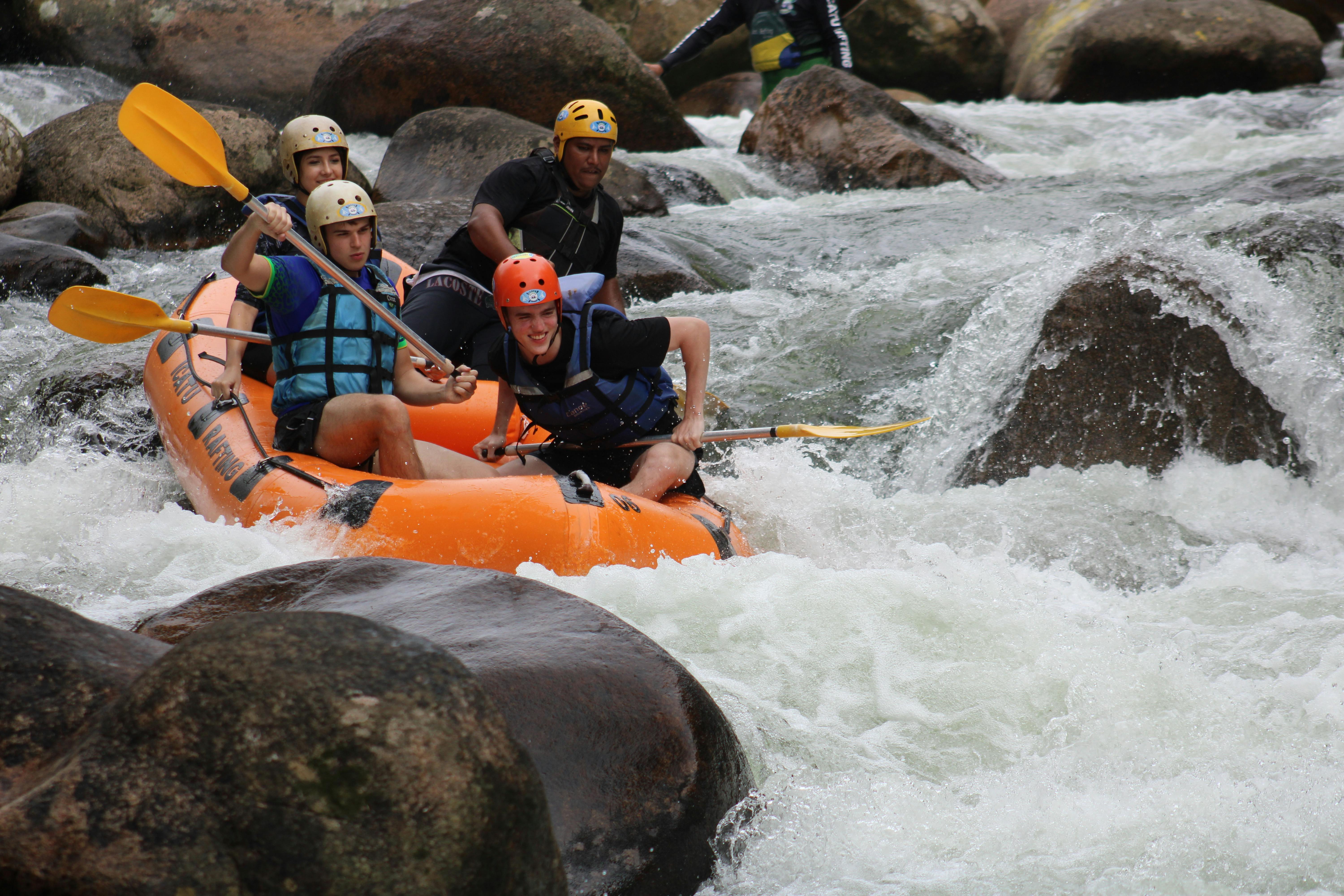
Costa Rica's extraordinary biodiversity and varied ecosystems make outdoor activity a core part of healthy living here. From volcanic hikes to surfing world-class waves, there is no shortage of ways to stay active in nature.
Hiking & Trekking
- Corcovado National Park: Extensive trails in one of the most biodiverse places on Earth.
- Arenal Volcano: Hikes around the volcano, hanging bridges, and rainforest trails.
- Monteverde Cloud Forest: Walks across hanging bridges above the cloud forest canopy.
- Chirripó National Park: Ascent to Costa Rica's highest peak with spectacular views.
Water Sports
- Surfing: World-class breaks on the Pacific (Tamarindo, Nosara, Santa Teresa, Dominical) and Caribbean (Puerto Viejo) coasts.
- Kayaking & paddleboarding: Gulf of Nicoya islands, Arenal Lake, Caribbean mangroves.
- Diving & snorkeling: Cocos Island (advanced), Catalina Islands (mantas and sharks), Caño Island (Osa Peninsula).
Land & Wildlife Activities
- Birdwatching: Carara (scarlet macaws), Monteverde (resplendent quetzal), Palo Verde wetlands.
- Mountain biking: La Fortuna region, Guanacaste dry trails, Central Valley rural routes.
- Sport fishing: Pacific (marlin, sailfish, dorado), Caribbean (snook, tarpon), Arenal Lake (guapote).
Wellness & Mental Health
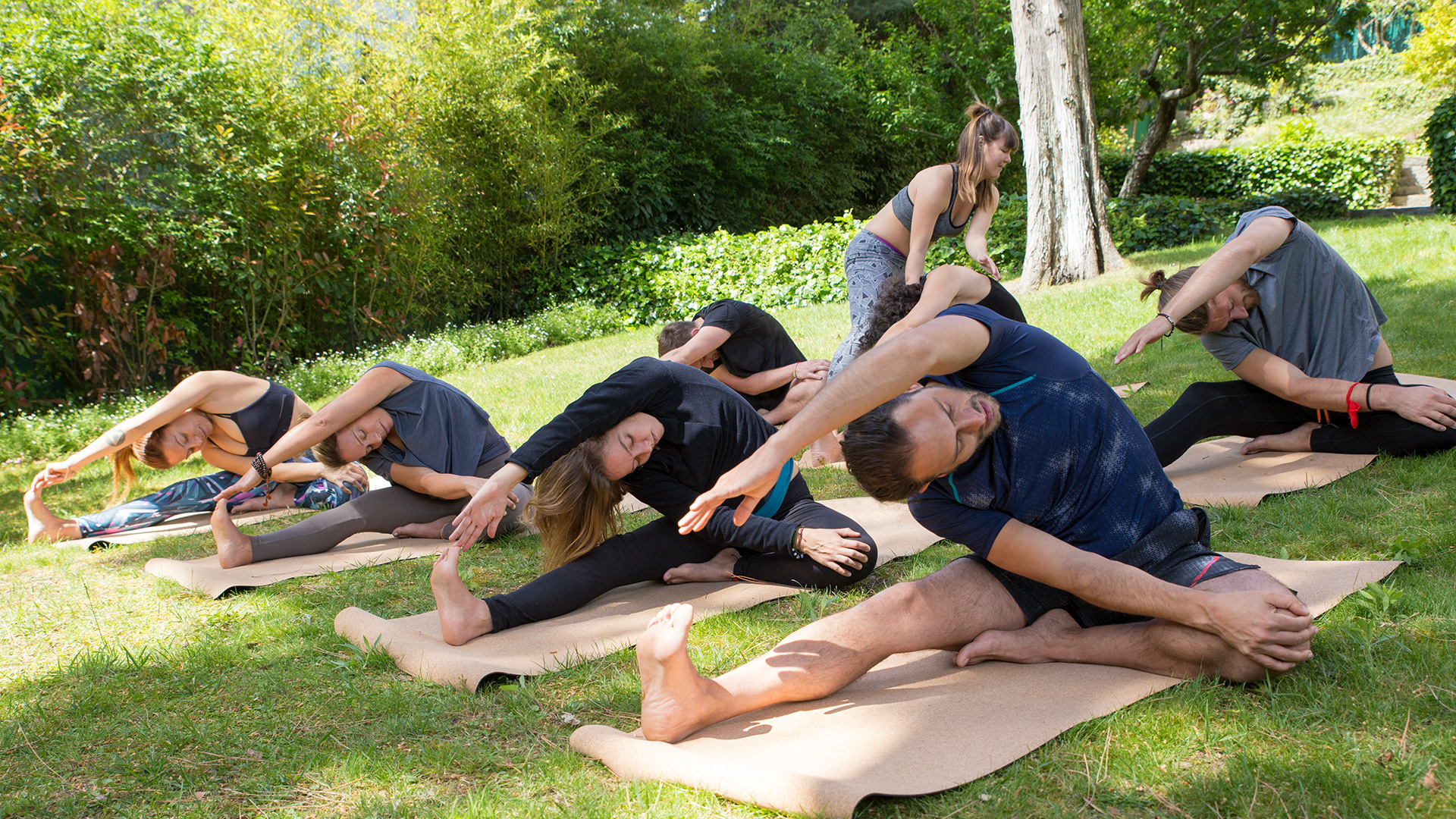
Costa Rica's "Pura Vida" philosophy and natural beauty create ideal conditions for holistic well-being. Whether you seek yoga retreats, therapeutic spa treatments, or professional mental health support, this country offers rich options for every aspect of wellness.
Yoga, Pilates & Meditation
- Nicoya Peninsula (Nosara, Santa Teresa): Internationally renowned yoga retreats and studios.
- Meditation and mindfulness groups, workshops, and silent retreats in rural natural settings.
- Yoga and Pilates studios available in all major cities and expat communities.
Spas, Therapies & Natural Remedies
- Costa Rican spas use local ingredients, volcanic mud, tropical fruits, native plant essential oils, for unique wellness rituals.
- Acupuncture and Traditional Chinese Medicine practitioners available in major cities and wellness centers.
- Herbalism workshops and local markets offer knowledge of Costa Rica's rich plant biodiversity for natural health.
Emotional & Mental Well-being
- Expat support groups, grief groups, and personal growth communities provide belonging and emotional tools.
- Licensed psychologists offering sessions in English and Spanish, in private clinics and via online platforms.
- Stress management and resilience workshops offered by wellness centers and expatriate organizations.

Nutrition & Conscious Eating
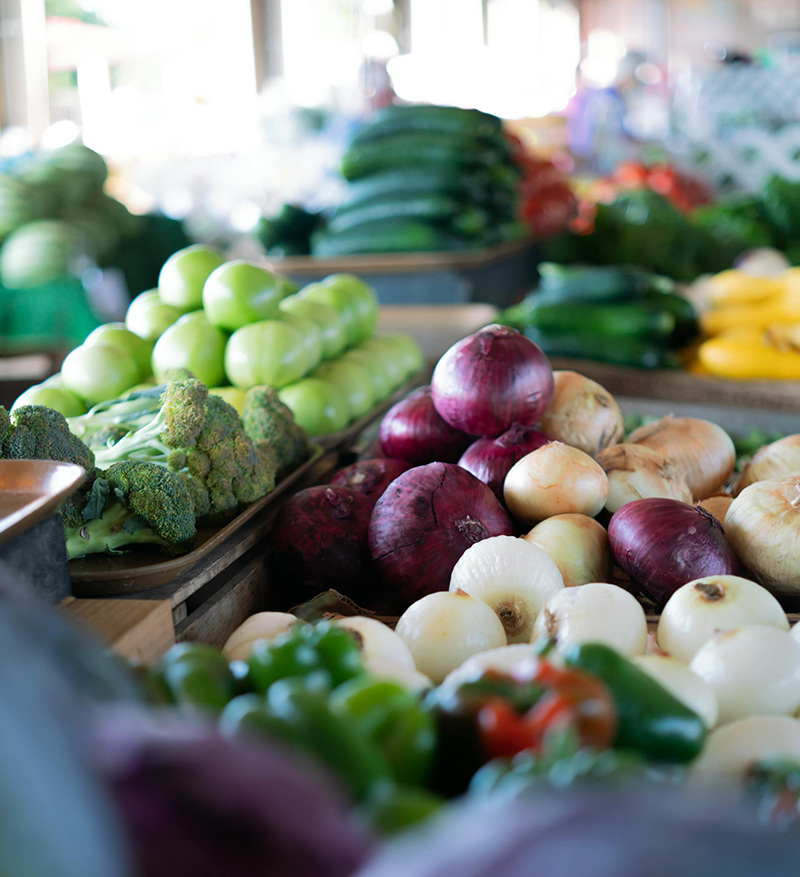
Costa Rica's rich biodiversity and culture centered on freshness offer foreigners an excellent opportunity to adopt conscious eating habits. From weekly farmers' markets to organic farming workshops, healthy eating is woven into daily life here.
Farmers' Markets (Ferias del Agricultor)
Held weekly in almost every community, these markets offer fresh tropical fruits (mango, pineapple, papaya, passion fruit), vegetables, herbs, farm eggs, artisanal cheese, and locally produced goods, often organic or sustainably grown.
- Feria de Zapote (San José): One of the largest and most popular.
- Specialized organic markets in expat-heavy areas like Nosara, Escazú, and Santa Teresa.
Other Nutrition Activities
- Healthy cooking classes: Learn Costa Rican recipes adapted for nutritious eating at cooking schools, eco-lodges, and chef-led workshops.
- Nutrition workshops: Led by nutritionists and dietitians covering meal planning, portion control, and adapting to the tropical food culture.
- Organic farming & permaculture: Volunteer or workshop opportunities on organic farms and permaculture projects across the country.
- Healthy restaurants: Growing supply of vegetarian, vegan, and organic-focused restaurants in Nosara, Santa Teresa, La Fortuna, and San José.
Cultural & Social Integration
Integrating into Costa Rican cultural and social life is one of the most powerful contributors to mental and emotional health for foreign residents. Connection, purpose, and belonging reduce isolation and improve overall well-being.
Language Classes
Learning Spanish is fundamental for integration. It facilitates daily communication, cognitively stimulates, and opens a deeper connection with Costa Rican culture. Private schools, universities, language exchange meetups, and online apps all offer excellent options.
Community & Social Activities
- Cultural exchange groups: Meet both Costa Ricans and other expats for shared activities, events, and conversations that build mutual understanding.
- Volunteering: NGOs, foundations, national park programs, and animal rescue organizations. Helping others reduces stress and builds a sense of purpose.
- Dance classes: Salsa, merengue, and cumbia, excellent cardiovascular exercise and a fun way to immerse in Latin culture.
- Art & craft workshops: Painting, ceramics, jewelry, woodworking, reduce stress and connect you with people of similar interests.
- Local festivals & events: Patron saint festivals, cultural events in San José (theater, concerts, film festivals), Holy Week, Independence Day.
- Reading & discussion groups: Book clubs at libraries, cafes, and bookstores, stimulate the mind and build social bonds.
Dance, art, volunteering, and language learning are not just hobbies, research shows they directly reduce stress, sharpen cognitive function, and strengthen community bonds. Build these into your Costa Rican life from the start.